
Most rodent infestations end with removal, but hidden contamination, damaged insulation, and other property conditions may remain long after the rodents are gone.
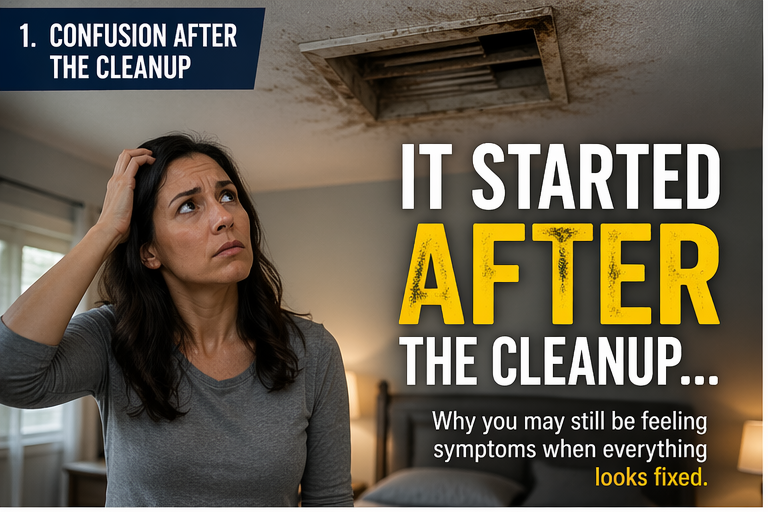
Rodent removal may solve the visible problem, but the hidden conditions left behind can continue affecting a property long after the infestation appears to be gone.
Most property owners recognize the obvious signs of a rodent infestation. Scratching noises in the attic, droppings in storage areas, damaged insulation, and gnawed materials often prompt immediate action to remove unwanted pests from a home, rental property, or commercial building.
However, what many property owners, tenants, buyers, and occupants never see may ultimately become the bigger concern.
The visible rodent problem often ends when the rodents are removed. The hidden effects left behind may remain unnoticed for months or even years. Contaminated insulation, urine-soaked building materials, nesting debris, odors trapped inside wall cavities, and biological contaminants can continue to exist long after the infestation itself appears to be resolved.
For landlords, property managers, Airbnb hosts, home sellers, and property investors, these hidden conditions may go undetected during routine maintenance or property turnover. New occupants may move into a property without realizing that previous rodent activity has left contamination in attics, crawlspaces, garages, or other concealed areas of the structure.
Across Pasadena and surrounding San Gabriel Valley communities, many properties contain attic spaces and building cavities that are rarely inspected unless a specific problem arises. As a result, property occupants may experience odors, air quality concerns, or unexplained environmental conditions without understanding that previous rodent activity could be a contributing factor.
Industry professionals are increasingly discussing what remains after an infestation is gone, shifting attention from rodent removal alone to the broader condition of the property itself. The growing conversation centers on identifying hidden contamination, evaluating affected materials, and understanding the long-term impact that rodent activity may have on a structure after the pests have been removed.
Property Inspection Alert
Ecosystem Property Inspection
Many property conditions remain hidden because the visible pest problem has already been addressed. An Ecosystem Property Inspection™ looks beyond rodent removal and examines the overall condition of the property after infestation activity.
This type of inspection may include attic spaces, insulation, structural voids, moisture conditions, evidence of previous infestations, entry points, and environmental factors that may continue to affect occupants long after rodents have disappeared.
Property owners, landlords, investors, and managers often discover that the biggest concerns are not always the rodents themselves — but what remains behind.
When the Rodents Are Gone but the Problem Remains
One of the most common assumptions made by property owners is that the problem ends when the rodents are removed. While eliminating the infestation is an important first step, it does not automatically restore the affected areas of a property to their original condition.
Rodents often leave behind more than visible evidence. Over time, droppings, urine deposits, nesting materials, damaged insulation, and contamination hidden within attics, crawlspaces, wall voids, and storage areas may continue to impact a property’s condition long after the pests have disappeared.
In recent years, some industry professionals have begun using the term Hidden Biology to describe biological contamination and environmental conditions that may remain concealed after a rodent infestation appears to be resolved. Unlike the infestation itself, these conditions are often hidden from plain sight and may go unnoticed during routine property maintenance or occupancy.
The challenge for many property owners, landlords, and occupants is that the signs are not always obvious. An attic may appear clean from the access opening while contaminated insulation remains buried beneath the surface. A rental unit may look ready for occupancy while odors and contamination continue to exist within structural spaces that are rarely inspected.
As awareness grows, property professionals are beginning to place greater emphasis on understanding what remains after rodent activity rather than focusing solely on the removal of the rodents themselves. This shift is creating new conversations about property condition assessments, environmental contamination, and the long-term effects of previous infestations on residential and commercial structures.
Field Insight
“In one situation, we were asked to investigate concerns from an occupant who felt something was biting them in a bedroom. Our initial inspection did not reveal an obvious cause. Later, during conversations with the occupant, we learned that the attic had recently undergone cleanup work following rodent activity and restoration efforts associated with the Altadena foothill fire recovery. Without that additional information, we may never have known there had been prior conditions affecting the attic space. Situations like this remind us that a property’s history is not always visible during a standard inspection, and important details can remain hidden until they are shared by occupants, owners, or restoration professionals.”
— Larry G., Manager
All Track Exterminators
Hidden Areas Often Receive the Least Attention
Part of the challenge surrounding post-infestation property conditions is that many of the affected areas are rarely seen by occupants. Attics, crawlspaces, wall voids, utility chases, storage areas, insulation layers, and HVAC pathways often receive little attention unless a specific problem is discovered.For years, the focus of pest management has understandably centered on removing rodents and preventing future infestations. However, growing awareness is prompting property owners and industry professionals to look beyond the infestation itself and consider the condition of the property after the rodents are gone.
Hidden Areas Often Overlooked
- Attics
- Crawlspaces
- Wall Voids
- HVAC Pathways
- Damaged Insulation
- Previous Restoration Areas
Insulation damaged by nesting activity, contamination hidden beneath attic materials, odors trapped inside structural cavities, and biological debris concealed in inaccessible spaces may remain undetected during routine inspections. In some cases, rodent activity may also leave behind chewed wiring, compromised insulation, and secondary pest concerns such as mites, fleas, or ticks.
These hidden conditions matter because rodent droppings, urine, and nesting materials can create contamination concerns if disturbed improperly. This is one reason property evaluations after rodent activity should consider more than the visible infestation.
As discussions surrounding Hidden Biology continue to develop, the focus is shifting from simply eliminating rodents to understanding the broader environmental impact that infestations may leave behind.
Hidden Biology Alert
The Infestation May Be Gone, But The Property Story May Not Be Over
Rodent removal addresses the immediate infestation, but it does not automatically reveal what may remain hidden within a property’s structure. Contaminated insulation, concealed nesting materials, biological debris, odors, damaged wiring, and other conditions can remain out of sight long after rodents have disappeared.
The term Hidden Biology is being used to describe these often-overlooked conditions that may remain concealed inside attics, crawlspaces, wall voids, and other inaccessible areas of a structure.
Understanding a property’s history, previous infestations, restoration efforts, and environmental conditions can provide important context when evaluating concerns that may not be immediately visible during a standard inspection.
Looking Beyond The Infestation
For many property owners, the end of a rodent infestation represents the end of the problem. Yet growing awareness surrounding Hidden Biology is encouraging property professionals, occupants, and property managers to take a broader view of what may remain after rodents have been removed.
While not every property will experience significant post-infestation conditions, hidden contamination, damaged materials, insulation concerns, odors, and other environmental factors may continue to exist in areas that are rarely inspected. Understanding the history of a property and evaluating conditions beyond the visible infestation can provide valuable insight into the overall health of a structure.
As discussions surrounding Hidden Biology continue to evolve, the focus is shifting from simply removing rodents to understanding the complete story of a property after infestation activity has occurred. For property owners, landlords, investors, and occupants alike, what remains hidden may sometimes deserve as much attention as the infestation itself.
Additional Resource
Learn More About Hidden Biology Remediation
Hidden Biology Remediation explores the biological contamination, damaged materials, and environmental conditions that may remain concealed after a rodent infestation has been resolved. Learn more about the concept and why it is becoming an important topic in post-infestation property evaluations.
What Can Remain After Rodent RemovalEditorial Note
This article is part of the Pasadena Local Business Network’s ongoing coverage of property conditions, environmental concerns, public awareness topics, and issues affecting residents, property owners, businesses, and communities throughout Pasadena and the San Gabriel Valley.
The purpose of this editorial is to educate readers about emerging topics, industry observations, and property-related conditions that may impact occupants and property stakeholders. Readers are encouraged to consult qualified professionals when evaluating specific conditions within a property.
Lawrence Joseph
Executive Producer & Publisher
Pasadena Local Business Network