
Pasadena homeowners and San Gabriel Valley residents are reporting more frequent rodent activity—especially in attics, crawl spaces, garages, and roofline areas. In 2026, a combination of environmental disruption, neighborhood food sources, and easier structural entry points is making rodent problems feel more common and harder to fully stop.
This local update explains what’s driving the trend, what warning signs to watch for, and what prevention-focused steps help reduce repeat infestations in Pasadena-area properties.
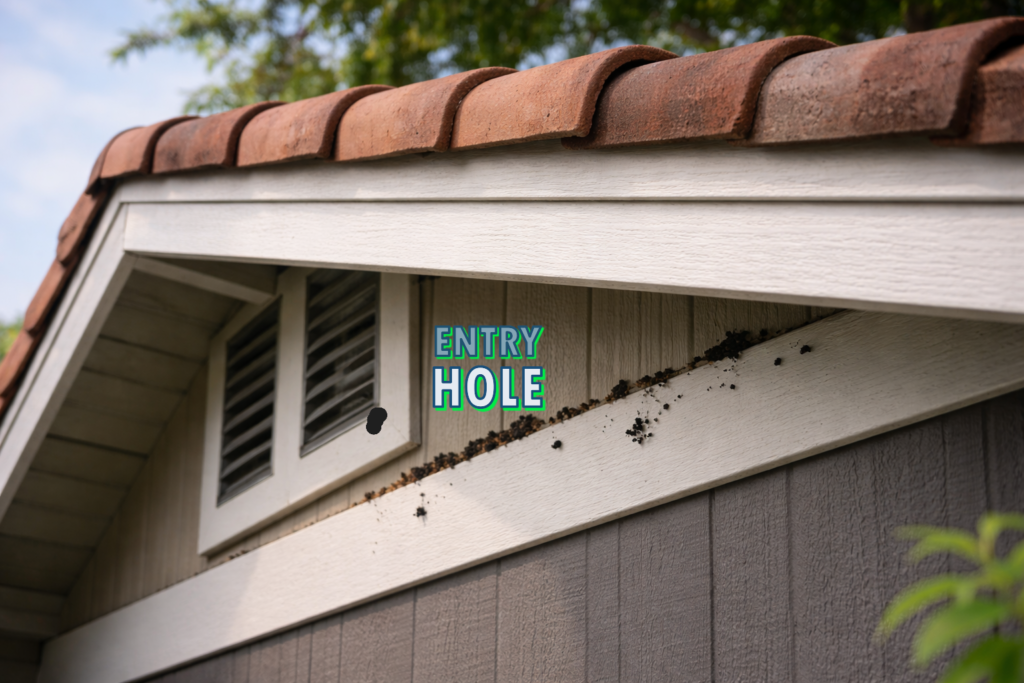
Roofline gaps and vent openings are common access routes into attics and upper wall cavities.
What’s Driving More Rodent Activity in Pasadena
Rodent issues rarely come from just one cause. In many Pasadena neighborhoods, several factors stack together:
- Environmental disruption: Weather swings, habitat changes, and regional disturbances can push rodents into residential zones.
- Reliable food and water sources: Pet food, accessible trash, fruiting trees, compost, and outdoor dining areas increase attraction.
- Easy structural access: Small gaps and vents can lead to repeated entry into attics, crawl spaces, and wall voids.
- Re-entry after treatment: When entry points are not sealed, rodents can return even after initial control steps.
Where Rodents Commonly Enter Pasadena Homes
Many infestations are driven by access—not just activity. Common entry points include:
- Attic vents and gable vents (torn screens or gaps at edges)
- Roofline and eaves (small openings near fascia and soffits)
- Crawl space vents (unprotected or damaged vent covers)
- Utility penetrations (pipes, conduits, A/C line sets)
- Garage side gaps and door edges
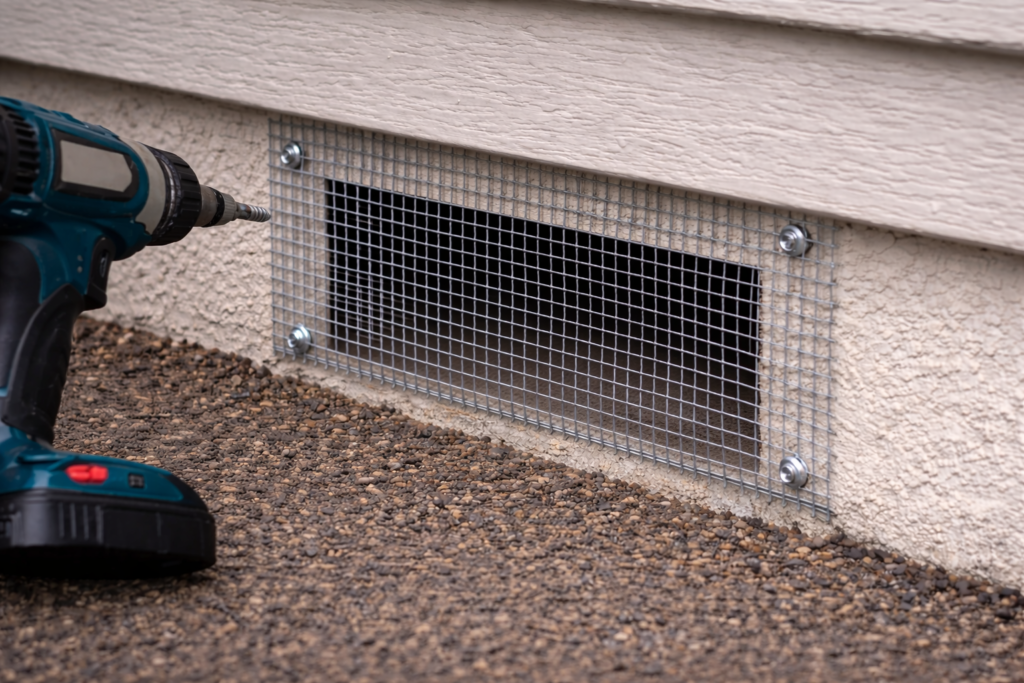
Exclusion work typically focuses on sealing and screening vulnerable openings so rodents cannot re-enter.
Early Warning Signs That Matter
Rodent activity is often detected late because the first signs appear in hidden spaces. Watch for:
- Scratching or movement sounds at night (attic, walls, crawl space)
- Droppings in garages, storage areas, or near appliances
- Damaged insulation and nesting material in attic corners
- Odors that appear suddenly or worsen in warm weather
- Chewed materials (wires, plastic, ducting, cardboard)
Why “Treatment Alone” Often Leads to Repeat Problems
In many properties, the long-term issue isn’t simply removing rodents—it’s stopping re-entry. If openings remain accessible, new rodents can move into the same space after the initial activity is reduced.
That’s why many local pest professionals emphasize prevention steps such as inspection, sealing, exclusion screening, and ongoing monitoring—especially in homes with attic and crawl space vulnerabilities.
Local Reference: Pasadena-Based Rodent Proofing Guidance
A Pasadena-based rodent control provider listed in the Pasadena Local Business Directory, All Track Exterminators, publishes a detailed prevention guide focused on structural rodent proofing and exclusion strategies for local homes and buildings.
Resource (guide):
Rodent Proofing Pasadena: Keep Rats & Mice Out for Good
Simple Prevention Checklist for Pasadena Properties
- Inspect rooflines and vents for gaps, stains, or damaged screening.
- Check crawl space vents and confirm they’re properly screened and secured.
- Seal utility penetrations with appropriate materials (not foam-only in high-risk gaps).
- Reduce attractants: secure trash lids, store pet food sealed, clean outdoor eating areas.
- Monitor regularly—early detection prevents bigger cleanup and repair costs.
Q&A: Rodent Activity in Pasadena Homes (2026)
Is rodent activity actually increasing in Pasadena?
Many residents and property managers report more frequent attic and crawl space activity. In most cases, increased visibility comes from environmental pressure plus easy entry points that allow repeat intrusion.
What’s the most common rodent entry point in Pasadena homes?
Attic vents, roofline gaps, and crawl space vents are among the most common access routes—especially when screening is damaged or edges are not fully secured.
Why do rodents return after a treatment?
Repeat issues often happen when entry points remain open. Reducing activity can help short-term, but long-term results typically require exclusion, sealing, and monitoring to prevent re-entry.
Can rodents cause serious property damage?
Yes. Rodents can contaminate insulation and chew wiring, ducting, and stored materials. Early action is important because damage can escalate quickly in hidden spaces like attics.
What’s a practical first step if a homeowner suspects rodents?
Start with a visual inspection of vents, rooflines, crawl space openings, and garages. If activity is confirmed, prioritize closing entry routes and addressing contamination risks.
Get Listed in Pasadena
Join local businesses building visibility, authority, and trust in the Pasadena community.
Get Listed